
What Is An Abdominal Wall Hernia?
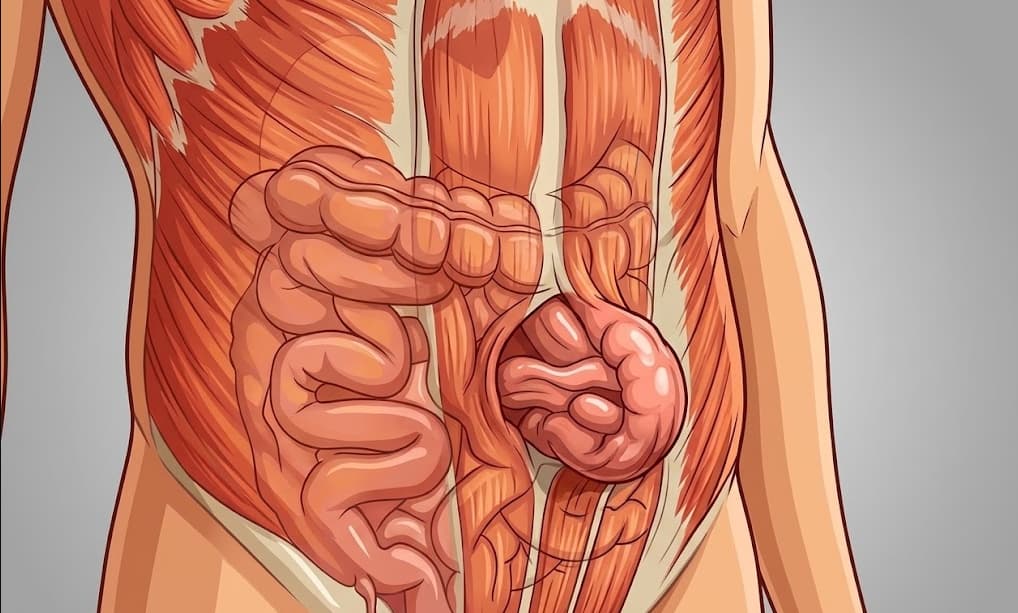
An abdominal wall hernia occurs when part of the bowel or fatty tissue pushes through a weak area in the muscles of the abdominal wall. It often appears as a lump or bulge that may be more noticeable when standing, coughing, or straining.
Common types include inguinal (groin), umbilical (belly button), incisional (previous surgery site), and ventral hernias. Hernias do not heal on their own and may increase in size over time.
What Does Hernia Surgery Involve?
The aim of surgery is to return the hernia contents to their normal position and strengthen the weakened muscle. This may be done using an open approach or keyhole (laparoscopic or robotic) surgery. In most cases, a surgical mesh is used to reinforce the repair and reduce recurrence risk. The mesh used for hernia surgery is designed to incorporate with and strengthen your abdominal wall to prevent hernia recurrence. Surgical mesh is safe and well tolerated, however carries a small risk of mesh infection. To this end, full aseptic precautions are maintained.
What Happens On The Day Of Surgery?
Surgery is usually performed under general anaesthesia. Many hernia repairs are day procedures, while larger or complex hernias may require an overnight stay. Early mobilisation after surgery is encouraged.
Recovery After Surgery
Mild to moderate discomfort is common for the first few days and usually improves over 1–2 weeks. Gentle walking is encouraged, but heavy lifting (>5kg), repetitive bending or strainind, or strenuous activity should be avoided for 6 weeks. Most patients return to desk-based work within 1–2 weeks.
Wound Care
Small dressings will cover the wounds, please keep them clean and dry. Showering is usually permitted after 24– 48 hours, and the dressings may be removed after 5 days. Your stitches will be dissolvable and do not need to be removed.
Mild bruising or swelling is common, and some clear ooze is to be expected.
When to Seek Medical Attention
You should seek medical review if you experience:
- Persistent abdominal pain, fever, vomiting or wound concerns
- Known gallstones with new or worsening symptoms
Long-Term Outlook
Hernia surgery is generally very successful. Most patients return to normal activities with significant symptom relief. Carefully following post-operative instructions helps ensure the best outcome