

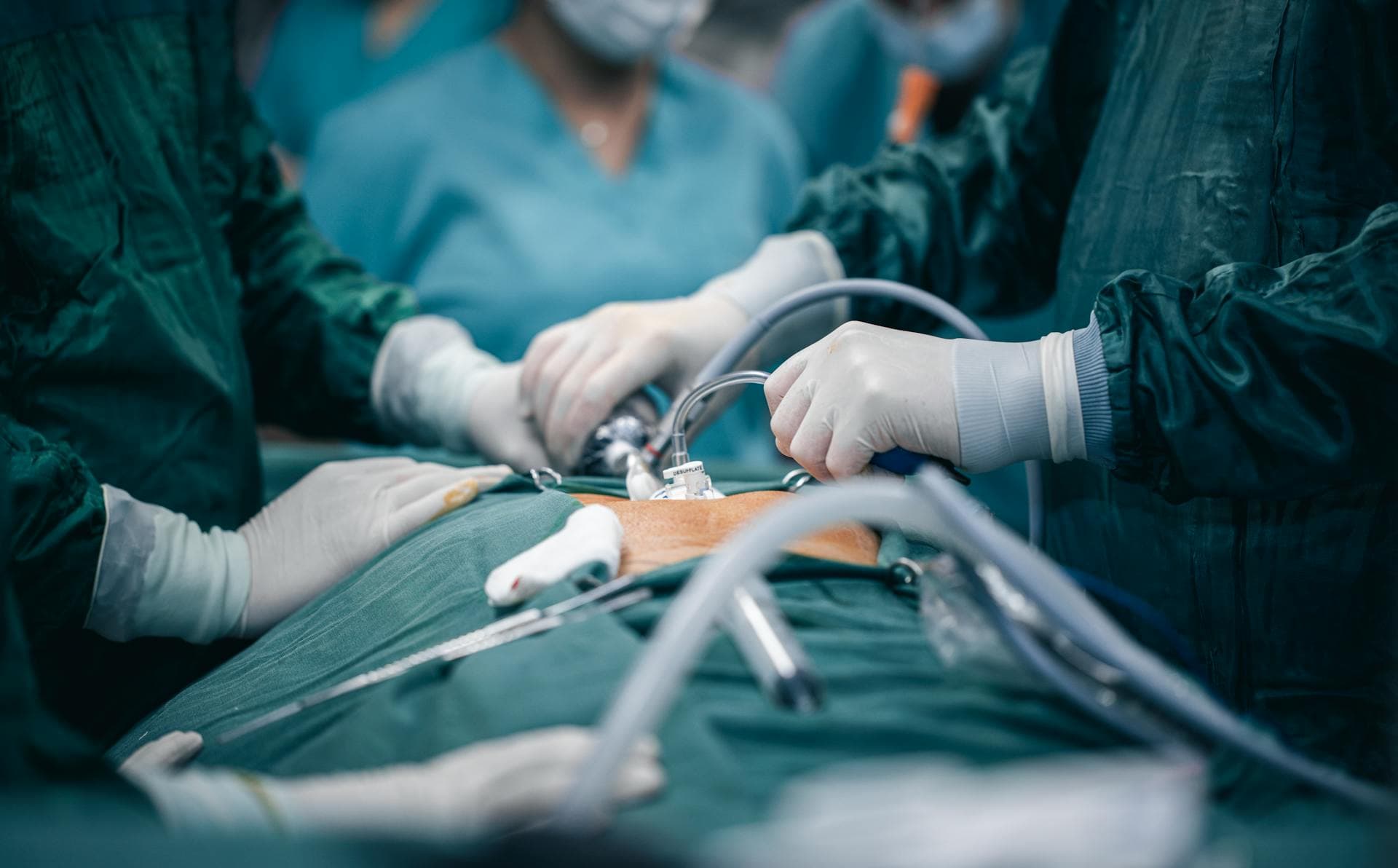
This information sheet is designed to guide patients and families through recovery after open abdominal surgery. It explains what to expect, how to care for yourself at home, and when to seek medical attention.
What Is Open Abdominal Surgery?
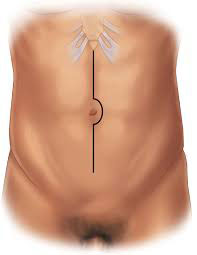
Open surgery involves an incision in the abdomen to surgically treat a condition inside the abdomen. The body has a strong ability to regenerate, but recovery takes time and varies between individuals, and extent of surgery has been performed.
Hospital Stay And Early Recovery
Most patients stay in hospital for 5–10 days depending on the extent of surgery and recovery. You may initially be monitored in a high-dependency or intensive care unit. Pain control, early mobilisation, breathing exercises, and gradual return to eating are essential parts of recovery.
Pain and Discomfort
Pain is expected after surgery and usually improves gradually. Pain may be felt around the incision, in the abdomen, or in the right shoulder. Take pain relief as prescribed and continue gentle movement.
Wound Care
Your wound will be covered with a waterproof dressing. The wound completely seals itself after 48 hours, but you should keep it covered for up to 5 days to ensure adequate healing and preventing infection. You may remove the dressing on the 6 th day and leave it open to air. You may wear clothes over the top of it. Mild swelling or bruising is common. You may even notice amounts of small clear discharge, which is normal. Stitches or staples are usually removed 7–14 days after surgery, although your stitches are likely to be dissolvable.
What is not normal: Severe wound pain that is over and above what you have been experiencing, redness progressively spreading around the wound, large amounts of fluid, blood or pus from the wound, gaping of the wound, or a new lump forming in the wound. If any of these changes occur – contact my rooms or after hours attend your local emergency department.
Activity and Exercise
Daily walking is encouraged. Avoid heavy lifting (>5kg), strenuous exercise, or repetitive bending or straining. Avoid driving while taking strong pain medication or while pains limits ability to apply an emergency brake. Light activities may resume after 4–6 weeks, with full recovery taking 8–12 weeks or longer. Deep breathing and coughing exercises help prevent chest infections. Use your incentive spirometer if provided. Support your wound with a pillow when coughing or moving.
Diet and Nutrition
Eat small, frequent meals. Focus on protein-rich foods and adequate hydration. Some patients may experience bloating or nausea early on.
Bowel and Bladder Changes
Constipation is common due to pain medications and reduced activity. Drink fluids, eat fibre, and use stool softeners if prescribed. Let your doctor know if you:
- Have ongoing constipation
- Cannot pass urine
- Develop worsening abdominal bloating
Fatigue and Emotional Wellbeing
Tiredness is very common and can last several weeks to months. Pace yourself and rest when needed; gradual improvement is expected. Mood changes are also common after major surgery and usually improve with time. Seek support from my team or your GP if concerns persist.
When to Seek Medical Attention
Seek urgent medical care if you develop fever above 38°C, increasing abdominal pain or swelling, yellowing of the eyes or skin, shortness of breath, persistent vomiting, or wound problems, inability to eat or drink or sudden leg swelling or calf pain. You may call my practice but after hours you should present to an emergency department.