

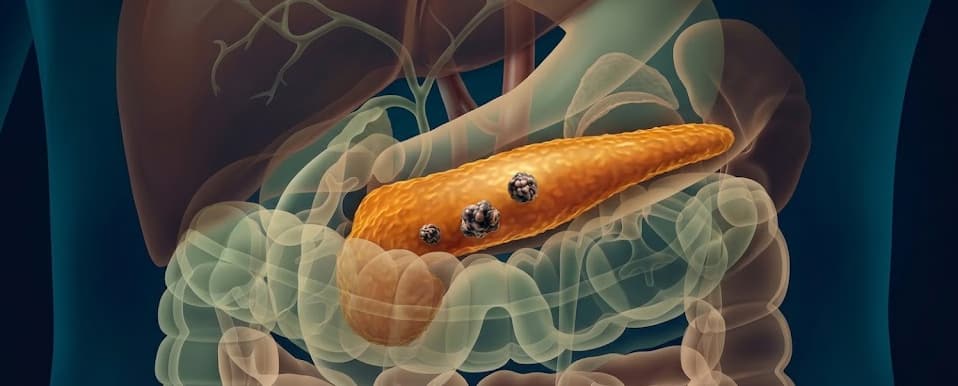
Pancreatic cancer is a serious and complex disease that develops when abnormal cells grow within the pancreas. The pancreas is a vital organ located deep in the abdomen, responsible for producing digestive enzymes and hormones such as insulin. Because pancreatic cancer often causes few symptoms in its early stages, it is frequently diagnosed late. Early assessment by a specialist is essential for accurate diagnosis and optimal treatment.
SYMPTOMS AND SIGNS
Early pancreatic cancer may not cause noticeable symptoms. As the disease progresses, symptoms can include:
- Persistent upper abdominal pain or back pain
- Unexplained weight loss or reduced appetite
- Jaundice (yellowing of the skin or eyes)
- Dark urine and pale stools
- New-onset diabetes or sudden worsening of diabetes
- Fatigue and weakness
- Nausea, bloating, or changes in bowel habits
- Itching related to jaundice
These symptoms are not specific to pancreatic cancer, but persistent or worsening symptoms should be medically assessed.
HOW PANCREATIC CANCER IS DIAGNOSED
The diagnosis of pancreatic cancer involves clinical evaluation, imaging, and sometimes tissue sampling.
- Blood tests may show abnormal liver function or raised tumour markers such as CA 19-9.
- CT scans of the abdomen are the primary imaging tool for diagnosis and staging.
- PET scans are routinely used to assess extent of disease.
- Endoscopic ultrasound (EUS) allows detailed imaging of the pancreas and biopsy if required.
- A biopsy confirms the diagnosis, particularly when nonsurgical treatment is planned.
Once diagnosed, the cancer is staged to determine whether surgery is possible.
TREATMENT OPTIONS FOR PANCREATIC CANCER
Treatment depends on the stage of the cancer, its location, and the patient’s overall health. Management is best delivered by a multidisciplinary team.
- Surgery offers the only potential cure and is considered when the cancer is confined to the pancreas
- Chemotherapy is routinely used before surgery, after surgery, or as the main treatment when surgery is not possible
- Radiotherapy is used in selected cases to control local disease.
- Supportive and palliative care focuses on symptom control, nutrition, pain management, and quality of life.
Care is individualised, and advances in pancreatic cancer treatment continue to improve outcomes.
WHEN SHOULD YOU SEE A SPECIALIST?
Anyone with persistent abdominal pain, unexplained weight loss, jaundice, or changes in diabetes control should seek medical advice. Early referral to a pancreatic cancer specialist ensures timely diagnosis and access to the most appropriate treatment options.